
Isatis.neo #6: How to give more space to 2D/3D viewer
Bioresources
This short Isatis.neo tutorial explains how to give more space to the 2D/3D viewer within the software. It is a practical “How to” video designed to help users...

Access our white papers, client cases, webinars, and technical content to deepen your use of applied geostatistics.
Resource type
Application fields
to download
This short Isatis.neo tutorial explains how to give more space to the 2D/3D viewer within the software. It is a practical “How to” video designed to help users...

This short Isatis.neo tutorial explains how to archive your projects within the software. It is a practical “How to” video designed to help users organize completed work, manage...
This short Isatis.neo tutorial explains how to recover your Isatis studies in Isatis.neo. It is a practical “How to” video designed to help users restore previous work, continue...
This short Isatis.neo tutorial explains how to upgrade several projects at the same time within the software. It is a practical “How to” video series designed to help...
This short Isatis.neo tutorial explains how to open the same task several times within the software. It is a practical “How to” video series designed to help users...
This short Isatis.neo tutorial explains how to reinitialize a task within the software, helping users quickly reset and restart a workflow step when needed. It is a practical...
Sparse 2D seismic data leave gaps that deterministic interpolation can't fill. This study builds a 3D probabilistic ground model instead from multiple geostatistical realizations.
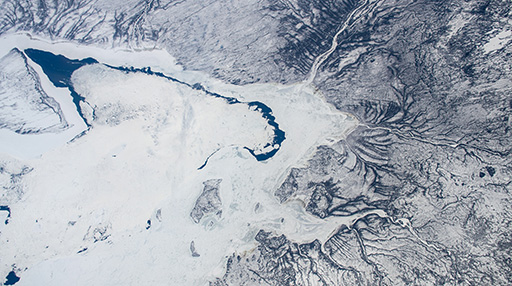
How likely is a -40°C event in northern Quebec over the next decade? This study, co-authored by Geovariances, answers with numbers instead of guesses — using a five-step...
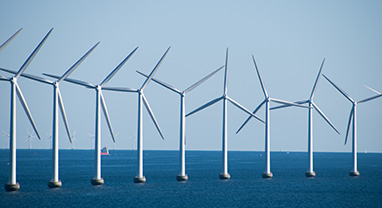
Geotechnical site investigations are costly and often unavailable at every planned turbine position. This study, co-authored by Geovariances, shows how combining CPT data with seismic information through geostatistical...
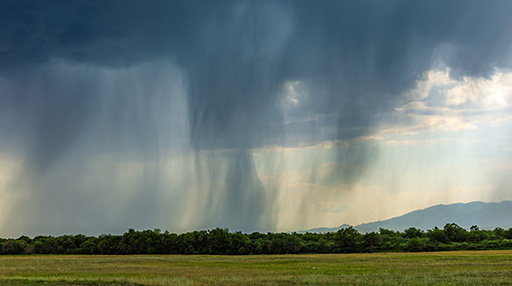
Rain doesn't fall evenly, and sparse weather station coverage makes it hard to forecast. This study, by Geovariances and Hydro-Québec, splits the problem into "does it rain" and...
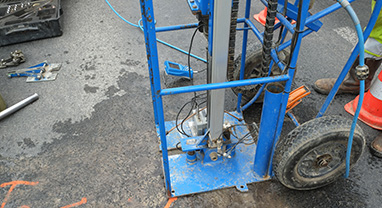
Geotechnical parameters like CPT resistance depend on which stratigraphic layer they sit in, so modeling them without anchoring to the stratigraphy risks getting both the estimate and its...
LIAG researchers are refining the country's national temperature model — long trusted for deep geothermal assessment — to finally deliver the resolution shallow geothermal projects need.